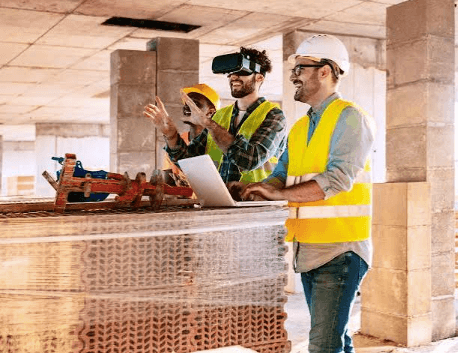

Artificial intelligence in construction acts as a catalyst for data-driven decision-making across planning, execution, and maintenance. It quantifies risk, quality, and timelines as measurable variables, enabling proactive stewardship and smarter collaboration. The approach blends safety analytics, predictive maintenance, and BIM coordination to raise efficiency and uptime. Real-world pilots must scale with clear objectives, data readiness, and continuous monitoring to ensure transparency and accountability, while preserving human ingenuity for the next phase of projects. The question remains: how will organizations align governance with ambition as this work scales?
What AI Means for Modern Construction
What AI means for modern construction is a catalyst that reorganizes planning, execution, and maintenance around data-driven decision-making. It reframes risk, quality, and timelines as measurable variables, enabling proactive stewardship. The mindset shifts toward automation ethics and robust data governance, ensuring transparency and accountability while preserving human ingenuity. Freedom arises from smarter collaboration, continual learning, and verifiable outcomes across projects.
Real-World AI Use Cases on Jobsites
| Idea | Impact | Next Step |
|---|---|---|
| Automation | Time savings | Scale pilots |
| Safety analytics | Reduced incidents | continuous monitoring |
| Predictive maintenance | Asset uptime | expand coverage |
| BIM integration | Better coordination | standardize data models |
Overcoming Data, Privacy, and Safety Hurdles
Data governance, privacy, and safety are critical bottlenecks that shape the pace and scope of AI adoption on construction sites.
Organizations pursue data governance as a backbone for trustworthy insights, aligning systems with regulatory and ethical norms.
Risk management becomes proactive, integrating threat modeling, access controls, and continuous monitoring to sustain performance, resilience, and freedom to innovate.
How to Start With AI in Your Next Project
Starting a project with AI begins by clarifying objectives and mapping how intelligent tools will add measurable value across design, planning, and execution. The approach emphasizes data governance and ethical AI, balancing innovation with risk controls. A pragmatic framework follows: envision opportunities, assess data readiness, pilot iteratively, monitor impact, and scale thoughtfully.
| Idea | Benefit | Metrics |
| Vision | Alignment | ROI |
| Data readiness | Risk mitigation | Compliance |
Frequently Asked Questions
How Do Ai-Driven Tools Impact Construction Workforce Training Needs?
AI adoption reshapes training alignment by demanding data governance frameworks, measurable competencies, and ongoing risk assessment; it elevates contractor liability clarity, while fostering autonomous learning ecosystems that empower workers to adapt, innovate, and achieve structured, freedom-driven performance gains.
What Are Cost Considerations for Small vs. Large Projects Using AI?
A striking 28% efficiency gain signals AI’s value in scale; for cost considerations, small projects favor modular cost modeling and lean vendor selection, while large endeavors benefit from integrated cost modeling and strategic vendor selection for resilience.
How Is AI Regulated in Construction Contracts and Liability?
AI regulation shapes contracts by defining liability frameworks, data governance, ownership rights, and suppliers governance; it emphasizes workforce training, cost considerations, and project risk metrics, enabling a visionary, analytical, pragmatic approach that preserves freedom amid implementation.
Which AI Metrics Best Measure Project Risk Reduction?
Risk metrics that best measure project risk reduction include predictive indicators, probabilistic simulations, and early warning signals; data governance ensures integrity, traceability, and responsible use. The approach remains visionary, analytical, pragmatic, and aimed at freedom-loving stakeholders.
See also: Artificial Intelligence in Commercial Real Estate
What Are Data Ownership and Governance Best Practices for Suppliers?
Data ownership and governance best practices for suppliers center on robust governance frameworks, strict data security, and interoperability standards, enabling transparent accountability, scalable access controls, and cross-system collaboration while preserving freedom to innovate and responsibly share value.
Conclusion
As construction enterprises embrace AI, they move from intuition to quantified foresight, transforming risk into measurable insight and uptime into predictable outcomes. By harnessing safety analytics, predictive maintenance, and BIM coordination, projects advance with fewer surprises and stronger governance. A striking stat underscores the shift: organizations deploying AI-driven risk dashboards report up to a 30% reduction in incident rates within the first year. The path is clear—scale thoughtfully, govern data rigorously, and sustain human ingenuity at the center of automation.